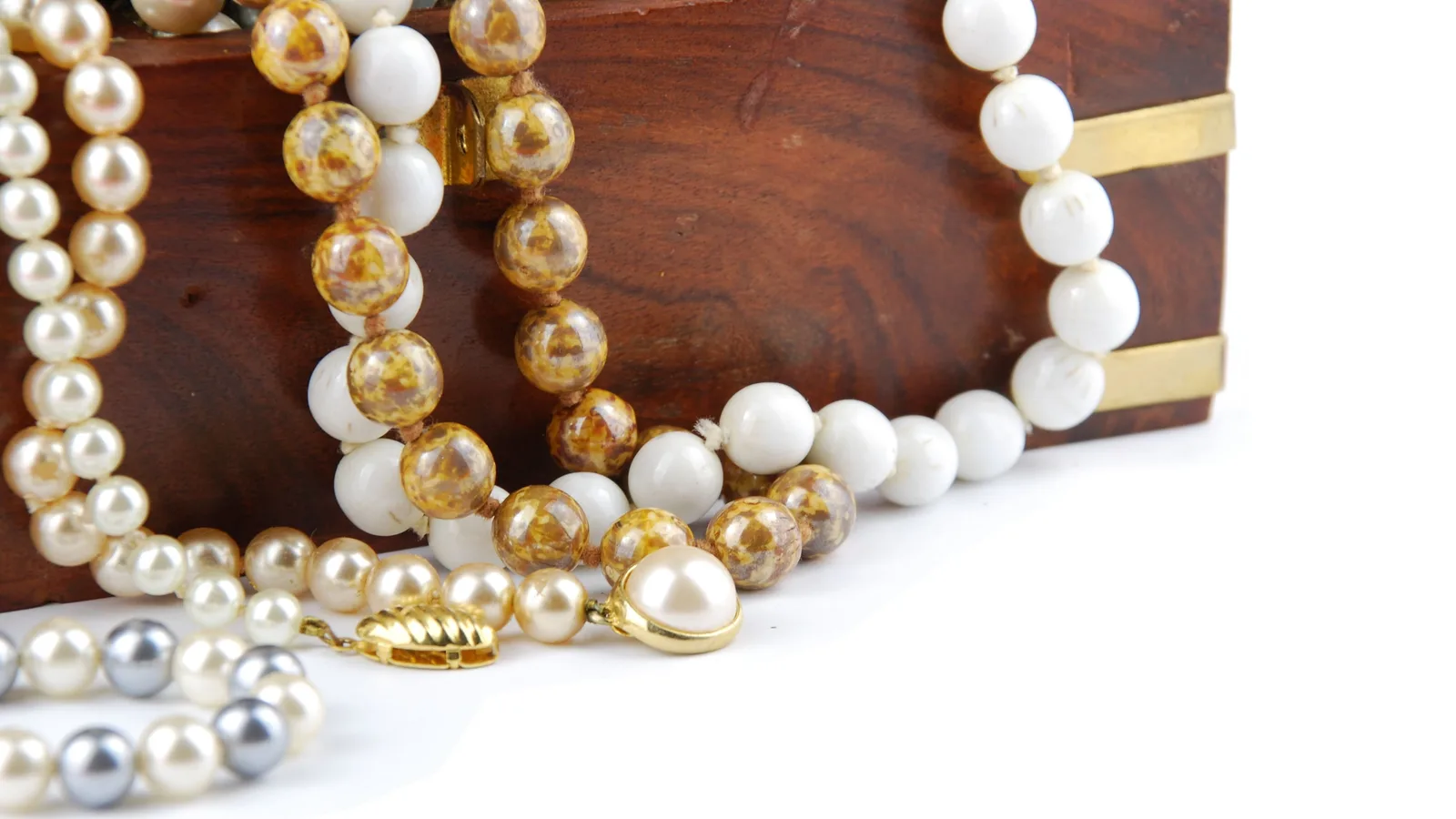
Astrid & Miyu Review 2026: Worth It for Piercings?
Our Astrid & Miyu review: what the London jewellery label does well, where vermeil falls short, and who should buy its ear stacks and piercings.
Astrid & Miyu: the verdict
Astrid & Miyu has become the default name in British ear-scaping: the label that made buying three earrings at once feel normal rather than extravagant. Its boutiques are arranged around the idea of dressing a whole ear rather than selling you a single box, and the small gold hoops turn up constantly on Instagram and in wedding-party photos.
The question behind most searches for a review is simpler than the styling: is the jewellery itself good enough to justify the price, or are you paying for the shop fit-out? The honest answer sits in the middle. The design work is the strongest part, the metals are decent rather than exceptional, and the service is a genuine reason to buy in person.
What Astrid & Miyu actually is
Astrid & Miyu is a London-based contemporary jewellery label selling small, layerable pieces — huggies, tiny studs, fine chains, signets and thin stacking rings — designed to be worn in multiples. The core range sits in accessible luxury: gold vermeil and sterling silver, with solid gold at the top of the range. It isn't a fine-jewellery house and doesn't pretend to be.
The typical buyer already has more than one lobe piercing, or wants more, and doesn't fancy spending an afternoon matching three earrings from three different shops. The brand does that matching for you, which is a real service and the main reason it spreads by word of mouth. If you wear one pair of earrings at a time and want them to be the last pair you buy, this isn't really your shop.
- Brand type
- London-based contemporary jewellery label
- Known for
- Curated ear stacks, huggies, small hoops and piercing-friendly studs
- Metals
- Largely gold vermeil and sterling silver, with solid gold pieces in the fine range — always check the individual product page
- In-store extras
- Piercings and permanent (welded) jewellery at selected boutiques
- House style
- Minimal and trend-led, designed to be layered rather than worn alone
- Good for
- Milestone gifts, second and third lobe piercings, everyday small-scale gold
Strengths and weaknesses at a glance
What it does well
- Design coherence: pieces are made to be worn together, so a three-hole stack looks intentional rather than accidental.
- Piercings and jewellery under one roof, with staff who can style the ear rather than just hand you a box.
- Vermeil and sterling silver instead of flash plating, so colour holds far better than high-street costume jewellery.
- Plenty of small, size-forgiving pieces that work as presents without you needing to know a ring size.
- The packaging and presentation do a lot of the work if you're buying for someone else.
Where it falls short
- You're paying a premium for design and retail experience; plain vermeil hoops of similar quality exist for less elsewhere.
- Vermeil is not a leave-on metal. Perfume, chlorine and gym sweat will dull the gold layer, and re-plating is rarely worth the cost.
- The most photographed shapes often sell out, so tracking down a specific size later in the season can be a lottery.
- Solid gold prices climb steeply, which puts the genuinely long-life pieces well outside the brand's entry-level image.
- Plated pieces have little to no resale value, so treat them as fashion, not assets.
The pros and cons map neatly onto two different shoppers. If you want a look — a finished ear, a gift that photographs well, a Saturday appointment that ends with new piercings — the brand is hard to beat on the UK high street. If you want metal that outlives the trend, you'll be filtering to the solid gold end and comparing against a traditional jeweller.
How it scores on what matters
- Design and wearability
- 4.5/5
- Cohesive, layerable shapes that work as a set; the huggies and small hoops are the easiest entry point and the least trend-bound.
- Material choices
- 4.0/5
- Vermeil and sterling silver rather than flash plating, with solid gold higher up. Check each listing, as the same design can come in more than one metal.
- Value for money
- 3.5/5
- You're paying for design, branding and the in-store experience. Comparable plain vermeil hoops can be found for less if design isn't the point.
- Piercing and in-store service
- 4.5/5
- The real differentiator: styling advice, piercing and aftercare in one visit, subject to appointment availability at your nearest boutique.
- Durability for daily wear
- 3.5/5
- Vermeil lasts years with care but is not a sleep-and-swim metal; thin chains and hinges need treating gently.
- Gifting
- 4.0/5
- Small, boxed and recognisable, with plenty of sizes that don't require a fitting — but the risk of duplicating something they own is real.
Read the scores as a map of where your money goes. Design and service score high because that's what the brand invests in; materials and long-term durability sit firmly in the middle, which is exactly what you'd expect at this price tier.
The designs: why the ear stacks work
Most of the range exists to solve a specific styling problem. Huggies — the small hoops that sit tight to the lobe with a hinged clicker — are the backbone: they fill a second or third piercing without competing with what's above them. Small studs and tiny charms sit in front, plain hoops or a single drop sit higher up the ear, and the whole thing reads as one piece of styling rather than five separate purchases.
That's the brand's real skill. Plenty of shops sell a gold hoop; very few sell you a coherent set in a single visit, with a mirror and someone telling you honestly that the third earring is one too many. If you're new to multiple piercings, start with the smallest huggie you can find and build outward — a stack built slowly almost always looks better than one bought in a single afternoon.
Materials and how they wear
Gold vermeil means a gold layer over a sterling silver base — thicker and more durable than the flash plating on costume jewellery, but still a coating rather than solid gold all the way through. That distinction matters more than any styling detail, because it decides how the piece looks in three years.
In practice, vermeil earrings hold their colour well if you treat them like jewellery rather than armour. The usual failure points are hairspray, perfume sprayed directly onto the ear, chlorinated pools and sleeping in hoops that get squashed against a pillow. Silver pieces are more forgiving but will tarnish if left damp in a bathroom drawer, so store everything dry and separate from other metals.
Piercings, permanent jewellery and the in-store visit
The boutiques are the reason many people choose the brand over an online-only jeweller. Piercings are offered at selected stores, usually by appointment, and the appeal is obvious: you choose the stud, get pierced, and walk out with the aftercare explained by the person who did it. Permanent jewellery — a fine chain welded closed around a wrist or ankle, intended to stay on — is also offered in some locations.
Availability varies considerably by store, so check before you travel and don't assume your nearest boutique does both. If you're booking a piercing, go with a clear idea of what you want but stay open: a good piercer will tell you when a placement won't work with the jewellery you've picked, and that advice is worth more than the earring.
Gold vermeil or solid gold: which should you buy?
The two tiers in plain terms — worth reading before you commit
What matters
Gold vermeil
- Construction
- A layer of gold over a sterling silver core
- Showering and swimming
- Better removed to protect the gold layer
- Surface over the years
- The gold layer can thin with friction and repeated wear
- Repairs
- Re-plating is possible but often costs a large share of the original price
- Cost
- Lower entry point, more room to buy several pieces
- Best for
- Rotation pieces and trend-led stacks
Solid gold
- Construction
- Solid gold throughout
- Showering and swimming
- Generally fine day to day, though harsh chemicals are unkind to any jewellery
- Surface over the years
- Can be polished and worn indefinitely
- Repairs
- Can be re-polished, resized and repaired by a jeweller
- Cost
- Higher, and rises steeply with carat and weight
- Best for
- One piece worn daily for years
The sensible split is to buy vermeil for the piercings you change often — helix, upper lobe, anything trend-led — and put the money into solid gold for the piece closest to your face that never comes out. Buying the whole stack in solid gold at once is an expensive mistake if you haven't yet worked out which placements suit your ear.
Buying advice before you check out
1. Decide the metal tier before you fall for a design
Search by metal first, design second. Lots of shapes exist in both vermeil and solid gold, and the price gap is large enough that the decision deserves to come before the styling.
2. Check the gauge and post length
Cartilage piercings usually need a thinner post than a lobe, and a huggie that fits a first lobe may be too big for a third. If the listing doesn't make the size obvious, ask before ordering rather than after.
3. Order the care bits at the same time
A soft pouch and a dry cloth cost very little and are the difference between vermeil that lasts three years and vermeil that looks tired in six months.
4. Read the returns terms on earrings
Pierced-ear jewellery is frequently excluded from returns on hygiene grounds. If you're unsure between two sizes, that's a conversation for the boutique, not a two-size order online.
Astrid & Miyu: frequently asked questions
Is Astrid & Miyu real gold?
Will vermeil earrings tarnish?
Can I get pierced in store?
Are huggies and hoops the same thing?
What's the difference between 9ct and 18ct gold?
Related articles

Boden Review 2026: Colour You'll Actually Wear
Our Boden review weighs the prints, fabrics and fit against the premium prices, with scores, pros and cons and clear advice on who it suits.
Reviewed Finds
Charlotte Tilbury Review 2026: Is the Hype Worth It?
Our Charlotte Tilbury review weighs the glow-giving base makeup, nude lip heroes and premium prices — and who the brand genuinely suits.
Reviewed Finds
Joules Review 2026: Is the British Brand Worth Buying?
Our Joules review weighs the prints, wellies, knitwear and sizing against the price — and tells you who the British brand really suits.
Reviewed Finds
ME+EM Review 2026: Are Its Tailored Staples Worth It?
Our ME+EM review weighs the British label's fabrics, fit and price positioning so you can decide if its tailored staples earn a place in your wardrobe.
Reviewed Finds
Medik8 Review 2026: Is It Worth It for Your Routine?
A UK editor's honest Medik8 review: how the vitamin C and retinal ranges work, where the brand earns its premium, and who should skip it.
Reviewed Finds
Monica Vinader Review 2026: Is It Worth the Demi-Fine Price?
Our Monica Vinader review weighs up the demi-fine jewellery range: what vermeil really means, who it suits, where it falls short and how to buy well.
Reviewed Finds
Seasalt Review 2026: Worth It for Coastal Everyday Wear?
Our Seasalt review weighs the Cornish brand's prints, fabrics, fit and rainwear to help you decide what's worth buying — and what to skip.
Reviewed Finds
Sézane Review 2026: Is the Parisian Label Worth It?
An honest Sézane review for UK shoppers: what the French label does well, where it falls short, how sizing runs and who should buy it.
Reviewed Finds
The Ordinary Review 2026: Is the Budget Skincare Hype Real?
The Ordinary is inexpensive, transparent and easy to get wrong. Our 2026 review rates the formulas, the range and who it really suits.
Reviewed Finds
Whistles Review 2026: Is It Worth the Mid-Price Tag?
An honest look at Whistles in 2026: what the British label does best, how the sizing really runs, where to spend and when to skip it.
Reviewed Finds