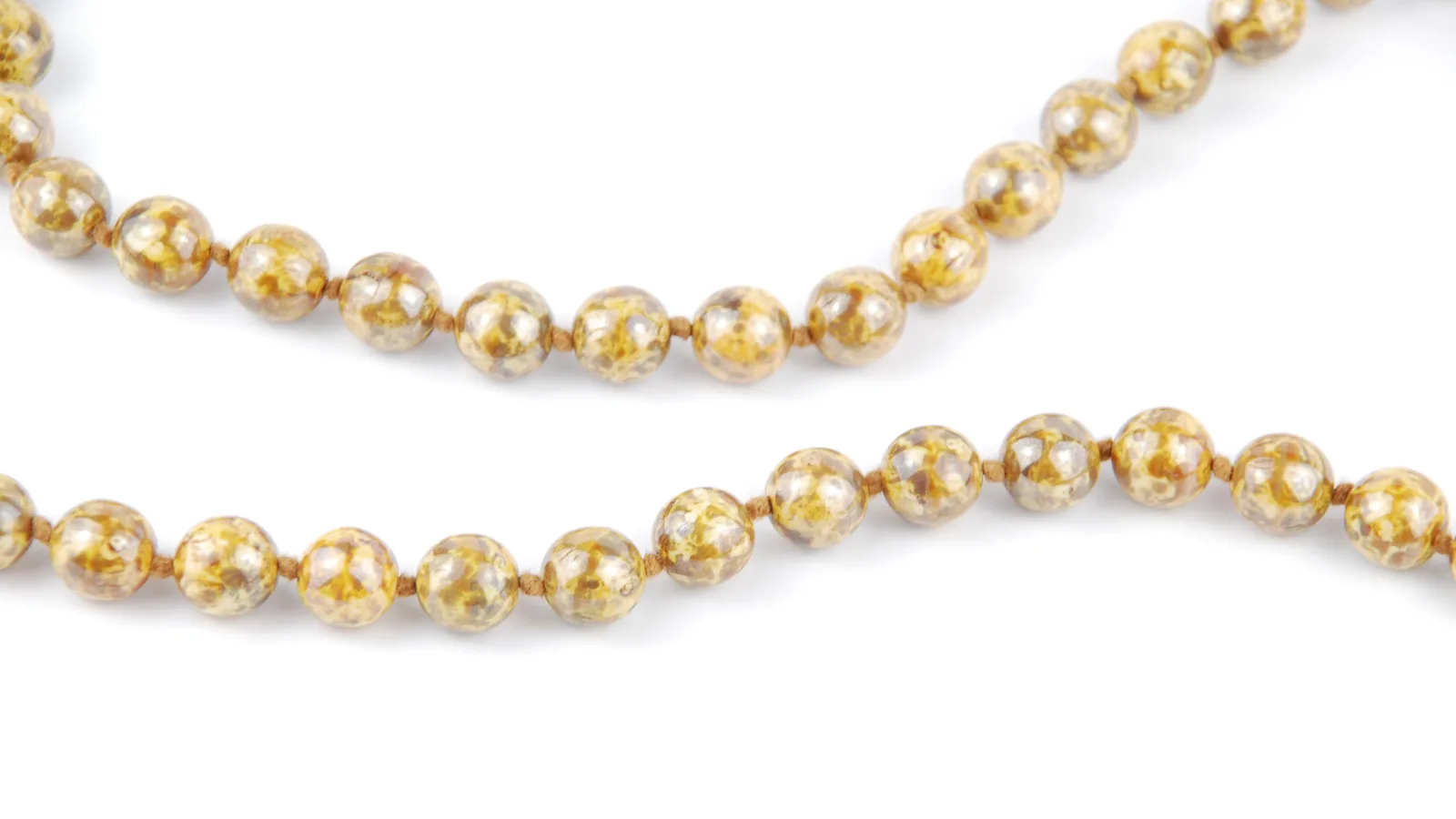
Gold vs Silver Jewellery 2026: Which Suits You Best?
Gold or silver? We compare tarnish, durability, skin sensitivity, cost and styling so you can pick the right metal for everyday jewellery.
Gold vs silver jewellery: the verdict
The one-line why: gold is the metal that survives real life — no tarnish, no re-plating every few months, no green wrists — and it holds value if you ever sell it.
That said, this is not a walkover. Silver does things gold cannot. It is the only sensible way to buy big, sculptural, trend-led pieces without remortgaging your wardrobe, and it suits cool-toned styling that yellow gold can fight against. If you want one metal for life, buy gold. If you want a jewellery drawer that changes with your wardrobe, silver earns its place.
Read on for where each one actually wins, so you can spend once rather than twice.
What you are actually buying: purities and hallmarks
The word "gold" covers a wide range. In the UK you will mostly see 9ct (37.5% pure gold), 14ct (58.5%), 18ct (75%) and occasionally 22ct (91.6%). The rest is alloy — copper, silver, zinc, sometimes palladium — which is what gives rose and white gold their colour and makes the metal hard enough to wear.
Silver is simpler. Sterling silver is 925 parts per thousand silver, alloyed mostly with copper for strength. Fine silver (999) is softer and rarely used for everyday pieces. Anything described as "silver plated" or "silver tone" is a base metal with a thin coating, and it will wear through.
Both metals are legally hallmarked in the UK when they pass certain weights — gold from 1g and silver from 7.5g. A stamp from an assay office is your proof of what you're buying, so check for it on chains, rings and bracelets.
- 9ct gold purity
- 37.5% gold, alloyed for hardness — the UK everyday standard
- 18ct gold purity
- 75% gold; richer colour, softer, higher value
- Sterling silver purity
- 92.5% silver, usually alloyed with copper
- UK hallmark weight thresholds
- Gold from 1g; silver from 7.5g
- White gold
- Yellow gold alloyed with white metals, normally rhodium plated
- Rose gold
- Gold alloyed with copper for a warm pink tone
Gold vs silver jewellery at a glance
How the two metals compare on the things that actually decide an everyday purchase.
What matters
gold
- Appearance and finish
- Warm yellow as standard, plus white and rose via alloys; colour stays put
- Typical purity marks
- 9ct, 14ct, 18ct or 22ct, hallmarked in the UK from 1g
- Tarnish
- Does not tarnish; dulls with soap and skin oils but polishes straight back
- Hardness and wear
- Pure gold is soft; 9ct and 14ct are hard enough for daily rings and chains
- Skin sensitivity
- High purities and nickel-free alloys are the safest option for reactive skin
- Cost
- Substantially more, because the price follows the gold fix plus making charges
- Value over time
- Keeps melt value; can be sold, remade or reset
- Everyday care
- Warm water, mild soap, soft cloth — rarely more
- Where it fits a wardrobe
- Wedding bands, heirlooms, statement chains, wear-forever studs
silver jewlery
- Appearance and finish
- Cool bright white that looks slightly warmer as tarnish builds up
- Typical purity marks
- Sterling 925, hallmarked in the UK from 7.5g
- Tarnish
- Tarnishes with sulphur, humidity, perfume and swimming
- Hardness and wear
- Sterling scratches and dents visibly on high-contact pieces
- Skin sensitivity
- Sterling is usually fine; cheap plated or nickel alloys are the culprit
- Cost
- Far more accessible for the same visual weight
- Value over time
- Almost no scrap value; the worth is in the design
- Everyday care
- Anti-tarnish storage, a polishing cloth, removal before swimming
- Where it fits a wardrobe
- Layering, trend pieces, big earrings, gym and holiday jewellery
How they score on what matters
- Tarnish resistance
- 5.0/5
- Gold simply does not discolour; a quick polish restores any dullness from soap or hand cream.
- Everyday durability
- 4.5/5
- 9ct and 14ct gold handle rings, chains and daily earrings well. 22ct is beautiful but dents.
- Affordability
- 1.5/5
- The metal cost dominates the price of a gold piece, so a simple chain is never a cheap buy.
- Skin-friendly for sensitive wearers
- 4.0/5
- High-purity gold is a safe bet; some 9ct white gold alloys contain nickel, so ask.
- Ease of care
- 5.0/5
- Warm water, mild soap and a soft cloth. No plating to wear through, no re-finishing.
- Style versatility
- 4.0/5
- Mixable and layerable, but warm yellow gold still argues with some cool-toned wardrobes.
- Tarnish resistance
- 2.5/5
- Left in a bathroom or worn in a hot tub, sterling will go yellow-brown within weeks.
- Everyday durability
- 3.0/5
- Fine for earrings and layered chains; thinner rings and bangles deform over time.
- Affordability
- 5.0/5
- You can buy several good sterling pieces for the cost of one modest gold one.
- Skin-friendly for sensitive wearers
- 3.5/5
- Sterling is generally fine. Plated brass with nickel underneath is what actually irritates.
- Ease of care
- 3.0/5
- Needs a polish cloth and careful storage; silver dip works but strips the patina from details.
- Style versatility
- 4.5/5
- Cool silver layers easily with denim, grey, navy and white — the bulk of a British wardrobe.
Durability: tarnish, scratches and plating
Both metals are soft in their purest form, so the honest comparison is not hardness — it is what goes wrong.
With silver, the enemy is tarnish. Sulphur compounds in the air, wool storage, perfume, chlorine and your own skin chemistry all push sterling towards a dull yellow-brown. A silver polishing cloth brings it back, but it is a job you will repeat indefinitely. Silver also scratches, and because the scratches sit in a bright reflective surface they show more.
With gold, the issues are different. 22ct and 24ct are genuinely soft and will dent in a ring. White gold is normally rhodium plated, and that coating wears away at the base of a ring within a year or two of daily wear, leaving a faintly yellowish cast until it is re-plated. 9ct and 14ct yellow gold have neither problem — they won't tarnish and they're hard enough for constant wear.
Skin sensitivity and reactive ears
If your ears itch, weep or swell after wearing cheap earrings, the culprit is nearly always nickel, which is also the most common cause of contact allergy and is restricted in jewellery sold in the UK. Cobalt and chromium in low-grade alloys cause problems too.
Solid gold at 18ct and above is extremely well tolerated, and many people with sensitive skin wear 9ct yellow gold earrings without trouble — but if you are buying 9ct white gold, ask whether the alloy is nickel-free. Solid sterling silver is generally fine for most people, though the copper in the alloy can leave a faint dark mark on skin when it reacts with sweat and hand cream. It washes off and is not an allergy.
The problem is almost never the word "silver" or "gold" on the label. It is the base metal underneath a plating.
Cost and what you get for it
Gold is priced by weight against a daily market rate, so a plain gold chain is really a small amount of metal plus making charges, hallmarking fees and the retailer's margin. That is why two visually similar chains can sit far apart on price: one is hollow or lighter, the other solid.
Silver is the reverse. The metal is a tiny fraction of the ticket price, so the design and the making are what you are paying for. That makes silver brilliant for experimentation and poor as a store of value — a sterling chain has almost no scrap value.
Where gold earns its money back is at the far end. A gold ring or chain can be sold, part-exchanged or melted down, and a good chunk of what you spent comes back. Silver rarely offers that. If you are buying one piece and want it to hold some worth, that gap matters more than the lower price on the tag.
Styling: working both metals into a British wardrobe
Silver has an easy ride with the clothes most of us actually wear: denim, navy, charcoal, white shirts, grey knitwear, black tailoring. It reads crisp and modern, which is why it dominates layered chains and statement earrings.
Yellow gold brings warmth and looks especially good against cream, camel, rust, olive, chocolate brown and tweed. It is the traditional choice for wedding bands and christening gifts, and it flatters warmer skin tones and darker hair.
Mixing the two is no longer a rule-break. The trick that works is to mix within a single piece — a gold chain with a silver pendant, a two-tone watch — rather than splitting your ears and neck between rival metals. Keep one metal dominant and let the other appear once.
Rose gold sits between the camps and suits both warm and neutral palettes. White gold behaves like silver visually but carries gold's tarnish resistance.
Who should choose gold, and who should choose silver
Choose gold if:
- You want one pair of earrings or one chain to be your everyday default for years
- You are buying a wedding band, engagement ring or a piece meant to be passed on
- You swim, shower or go to the gym without taking jewellery off
- Your skin reacts to anything plated or cheap
- You would rather own three good pieces than fifteen that fade
Choose silver if:
- You are building a layered, trend-led look and want options
- You want big, sculptural earrings without paying gold prices
- Your wardrobe is cool-toned and yellow gold feels wrong against it
- You are buying for someone whose taste is still changing
- You accept that a polish cloth and a sealed bag are part of ownership
A workable middle path for many people: solid silver for the fun, high-rotation pieces, and one or two gold pieces for the things you never take off.
Care that actually keeps both looking new
Jewellery goes on last and comes off first. Perfume, hairspray, sunscreen and body lotion are the main dullers of both metals, and they sit exactly where a necklace or earring rests.
For gold, warm water with a drop of mild washing-up liquid and a soft baby toothbrush is enough. Rinse and dry on a lint-free cloth. Avoid chlorine — it attacks the alloys in 9ct and 14ct, not the gold itself — so take rings off for pools and hot tubs.
For silver, dry storage is everything. Keep pieces in a tarnish-resistant bag or a box with a silica sachet, not open on a dressing table next to a radiator. Polish with a proper silver cloth; skip the toothpaste tip, which is abrasive and leaves micro-scratches. Never use silver dip on pieces with oxidised detailing or pearls, because it strips the contrast the design depends on.
Store chains fastened to stop tangling, and keep gold and silver in separate compartments — harder metals scratch softer ones when they rub together.
Gold vs silver jewellery: common questions
What does 925 mean on a silver ring?
Is 9ct gold real gold?
Is white gold the same as silver?
Can I wear silver jewellery in the shower?
Why does cheap jewellery turn my skin green?
Does gold jewellery hold its value better than silver?
Related articles
Gold Vermeil vs Gold Plated 2026: Which Lasts Longer?
Gold vermeil and gold plated look alike but wear very differently. Compare thickness, base metal, durability and cost to choose the right finish.
This or That
Platinum vs Silver 2026: Which Metal Suits You Best?
Platinum vs silver compared on colour, weight, durability, tarnish and cost — plus who each metal suits, from wedding rings to trend-led pieces.
This or That
Slacks vs Trousers 2026: Which Pair Suits Your Wardrobe?
Trousers or slacks? We explain what each word means in British English, how the cuts, fabrics and formality differ, and which to shop for in 2026.
This or That
Sterling Silver vs Silver 2026: Which Should You Buy?
Sterling silver is 92.5% pure silver and fine silver is 99.9%. We compare hardness, tarnish, hallmarks and value so you buy the right metal.
This or That
Sweater vs Sweatshirt 2026: Which One Should You Buy?
Sweater or sweatshirt? We compare warmth, fabric, fit and styling to pick the overall winner for a British wardrobe in 2026, plus care tips.
This or That