Sweater vs Sweatshirt 2026: Which One Should You Buy?
Sweater or sweatshirt? We compare warmth, fabric, fit and styling to pick the overall winner for a British wardrobe in 2026, plus care tips.
Sweater vs sweatshirt: the short answer
Both come out of the same drawer and both keep you warm, which is why they get confused. But they are made in completely different ways, and that single fact drives everything else — how they fit, how they age, what they cost, and where you can wear them.
In the UK you'll see sweaters labelled jumpers on the rail. Sweater and jumper mean the same garment here; the word on the label is the only difference.
What actually separates the two
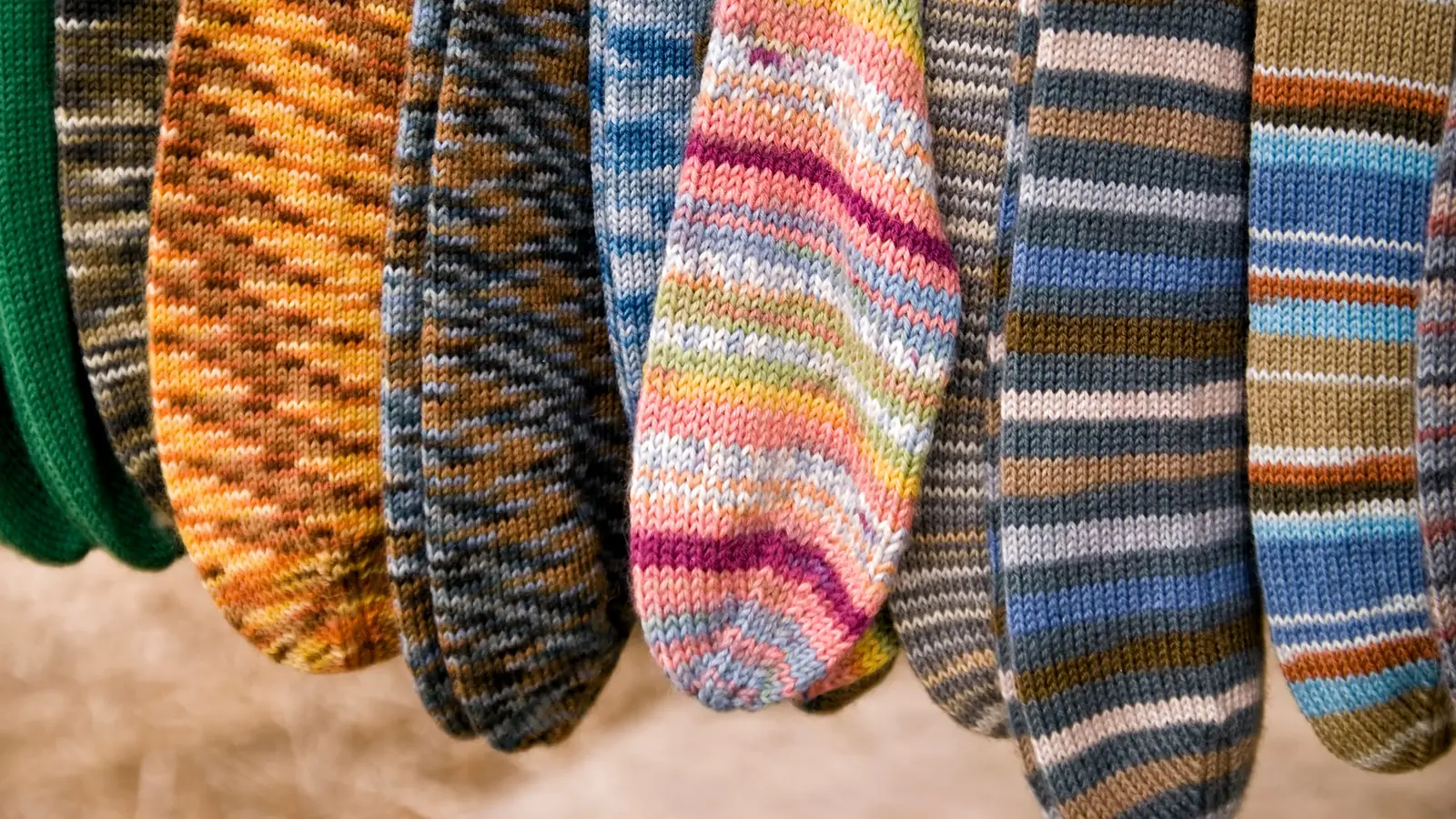
A sweater is knitted from yarn — the shape is built stitch by stitch, so the fabric and the garment are one piece. A sweatshirt is cut and sewn: a jersey or fleece fabric is knitted first, then cut into panels and stitched together, with ribbed cuffs and a ribbed hem added on.
That's why a sweater stretches and drapes while a sweatshirt holds a boxy line, why a wool knit needs drying flat while a cotton sweatshirt shrugs off a hot wash, and why the sweatshirt has visible side seams and the sweater usually doesn't.
- Sweater construction
- Knitted to shape from a continuous yarn; ribbed cuffs and hem formed by the knit itself
- Sweatshirt construction
- Cut and sewn from knitted cotton jersey (loopback) or brushed fleece, with sewn-on ribbed trims
- Typical sweater fibres
- Wool, merino, lambswool, cashmere, alpaca, cotton and blends of these
- Typical sweatshirt fibres
- Cotton, cotton-polyester blends, sometimes with a brushed fleece inner face
- Sweater necklines
- Crew, V-neck, polo neck, boat neck, cable and rib variations
- Sweatshirt styles
- Crew neck, hoodie, quarter-zip, oversized boxy fit
Sweater vs sweatshirt: side by side
Where the two differ in practice, and which one takes each point.
What matters
Sweater
- Warmth for the weight
- High — wool traps air without much bulk
- Breathability
- Good, especially merino and cotton; less clammy in a heated office
- Shape and drape
- Drapes and follows the body; can stretch at cuffs and elbows over time
- Formality
- Smart-casual to smart; fine-gauge knits work under a blazer
- Layering under a coat
- Sits flat in fine gauges; chunky knits need a roomier coat
- Care
- Cool wool cycle or hand wash, dry flat, never wring
- How it fails
- Snags, moth holes and stretched cuffs show immediately
- Best moment for it
- Office days, dinners, layering over a shirt or dress
Sweatshirt
- Warmth for the weight
- Moderate — warmth comes from thickness, so it's bulkier
- Breathability
- Fair: cotton is fine, polyester-rich blends trap sweat
- Shape and drape
- Holds a boxy, structured line; the neckline is usually the first thing to sag
- Formality
- Casual only — right for a pub, wrong for a meeting
- Layering under a coat
- Adds bulk at the shoulder and sleeve
- Care
- Machine wash at 30°C; low tumble dry usually fine
- How it fails
- Pilling at the cuffs and underarms, plus a stretched neckline
- Best moment for it
- Weekends, working from home, school run, dog walk
Sweater: strengths and trade-offs
Why the sweater wins
- One garment covers more ground: over a shirt at work, over a tee at the weekend, over a dress in the evening.
- Warm without bulk — a fine merino knit sits under a coat where a sweatshirt would bunch at the shoulder.
- Natural fibres breathe, so you don't overheat on a warm bus or in an over-heated office.
- It reads as dressed even when you've thrown it on, which a loopback sweatshirt never quite does.
What you accept
- Care is a chore: cool washes, dry flat, and one hot wash can shrink a wool knit for good.
- At the same level of quality it costs more, because both the fibre and the knitting cost more.
- Less forgiving — snags, moth holes and bagged-out cuffs are visible straight away.
Sweatshirt: strengths and trade-offs
Why the sweatshirt wins
- Comfort first: loopback cotton is soft and warm the second you put it on, with no breaking in.
- Genuinely easy care — 30°C wash, low tumble dry, no reshaping or drying flat.
- Holds a boxy shape, so it layers over a tee or under a padded jacket without pulling.
- Cheap enough to be rough with: gym bag, gardening, beach, sofa.
What you accept
- It reads casual, full stop. No styling gets a loopback crew neck into a smart office.
- Bulky under a tailored coat and hot once you're indoors.
- Pilling and a sagging neckline are the usual ending.
Who should choose which
Choose a sweater if:
- Your week sits somewhere between smart and casual and you want one layer that covers both.
- You feel the cold but hate bulk under a coat.
- You'd rather buy one good knit than three cheap ones, and you'll actually dry it flat.
- You like texture — cable, rib, polo necks, a bit of interest at the collar.
Choose a sweatshirt if:
- Your default is jeans and trainers and you want a layer that matches them.
- You want something machine washable that needs no thought after a wash.
- You're layering over a tee for the school run, the dog walk or a day at the kitchen table.
- You want a hoodie — a hoodie is simply a sweatshirt with a hood, made the same way.
Fit and sizing notes
Sweaters are usually sized on the chest and cut closer than they look on the hanger. A fine-gauge knit should sit true to size; a chunky cable knit you intend to wear under a coat is often worth taking a size down, or you'll fight the sleeve every time you put the coat on. Cuffs should land at the wrist bone — if they hang past it, the sleeves are too long and will stretch and bag.
Sweatshirts are deliberately cut boxy, with dropped shoulders and a wide body. If you want a classic fit rather than the oversized look, size down. Check the neckline rib: a narrow, tightly ribbed collar keeps its shape far longer than a wide, soft one.
On necklines, a crew neck suits almost everyone; a V-neck is the better choice under a shirt or with a heavier jawline; a polo neck adds warmth at the neck that no sweatshirt can match.
Care: making each one last
Wash a sweater as little as you can get away with — wool is naturally odour-resistant and airing it overnight on a hanger does most of the work. When it does need washing, use a wool detergent on a cool wool cycle or by hand, then press the water out in a towel rather than wringing it, and dry it flat and reshaped.
Sweatshirts are far more forgiving. Turn them inside out to reduce pilling on the outside, wash at 30°C, and tumble dry on low only if the label allows. A fabric shaver deals with cuff pilling in a couple of minutes.
Styling each one
A fine sweater earns its keep under a blazer with tailored trousers, over a collared shirt with the collar left out, or over a slip dress with boots. Keep the knit colour plain and let the collar and cuffs do the talking.
A sweatshirt works best when the rest of the outfit is deliberately tidy: straight-leg jeans and clean trainers, a wool coat over the top with the hood down, or a satin midi skirt to play the casualness against something smarter. Keep it away from joggers unless you're actually at home.
Final verdict
The sweater takes it, on range rather than comfort. It is the layer that works on a Monday morning and a Saturday night, that slides under a coat without adding bulk, and that looks better the longer you own it — provided you treat it properly.
But this isn't a competition you have to win outright. A sweatshirt does the comfort job better than any knit ever will, costs less to replace and asks nothing of you on laundry day. The sensible answer for most people is a fine sweater for the days you need to look sorted and a plain sweatshirt for the days you don't.
Sweater vs sweatshirt: your questions answered
Is a hoodie a sweatshirt?
Can you wear a sweater in summer?
Do sweaters shrink in the wash?
Why do sweatshirts go bobbly?
Is merino worth the extra money?
Related articles
Gold Vermeil vs Gold Plated 2026: Which Lasts Longer?
Gold vermeil and gold plated look alike but wear very differently. Compare thickness, base metal, durability and cost to choose the right finish.
This or That
Gold vs Silver Jewellery 2026: Which Suits You Best?
Gold or silver? We compare tarnish, durability, skin sensitivity, cost and styling so you can pick the right metal for everyday jewellery.
This or That
Platinum vs Silver 2026: Which Metal Suits You Best?
Platinum vs silver compared on colour, weight, durability, tarnish and cost — plus who each metal suits, from wedding rings to trend-led pieces.
This or That
Slacks vs Trousers 2026: Which Pair Suits Your Wardrobe?
Trousers or slacks? We explain what each word means in British English, how the cuts, fabrics and formality differ, and which to shop for in 2026.
This or That
Sterling Silver vs Silver 2026: Which Should You Buy?
Sterling silver is 92.5% pure silver and fine silver is 99.9%. We compare hardness, tarnish, hallmarks and value so you buy the right metal.
This or That