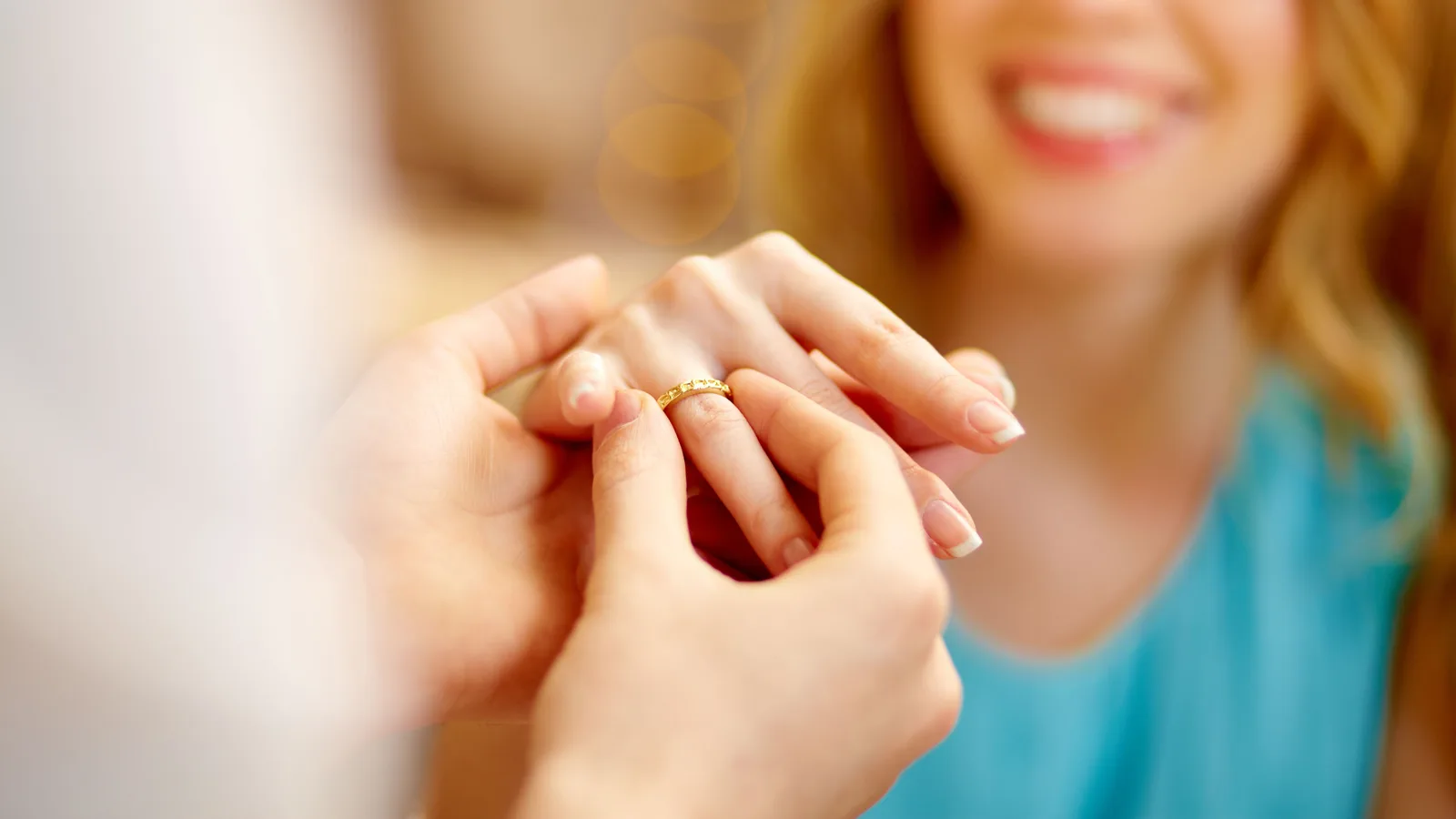
Sterling Silver vs Silver 2026: Which Should You Buy?
Sterling silver is 92.5% pure silver and fine silver is 99.9%. We compare hardness, tarnish, hallmarks and value so you buy the right metal.
The verdict: sterling silver wins for everyday wear
Why it wins, in one line: sterling silver is genuine silver at 92.5% purity, and the 7.5% copper alloy makes it hard enough to survive daily life — where fine silver would bend, dent and scratch.
That is not a knock on fine silver. It is simply the wrong metal for the pieces most people actually wear. For a pendant, a pair of earrings that live in a box, or the highest purity you can buy, fine silver earns its place.
What 'silver' actually means on a jewellery label
Three different things get called 'silver' in a listing, and nearly all the confusion comes from that:
- Fine silver is 99.9% pure silver, often stamped 999. Genuine silver with almost nothing added.
- Sterling silver is 92.5% silver with 7.5% of another metal, nearly always copper. It is still real silver — alloyed so it can take everyday wear.
- Silver-plated or 'silver-tone' metal is a brass or copper core with a thin layer of silver on top. It is not a precious metal piece, and the coating wears through.
So when a shop says 'silver', look for the stamp. No 925 or 999 mark and no hallmark usually means plating.
- Sterling silver purity
- 92.5% silver, 7.5% copper or similar
- Fine silver purity
- 99.9% silver, essentially unalloyed
- Sterling stamp
- 925, or 'ster' on older pieces
- Fine silver stamp
- 999, or 'fine silver'
- UK hallmarking
- Required on silver pieces above 7.78 g
- Silver-plated
- Base metal core with a thin silver coating
Sterling silver vs silver at a glance
Both are real silver — the difference is the alloy and how it behaves.
What matters
sterling silver
- Silver content
- 92.5% silver with 7.5% copper
- Hardness
- Firm enough for rings, clasps and chains
- Tarnish
- Tarnishes, and faster in humid air
- Everyday wear
- The practical choice for daily pieces
- Typical price
- Made at scale, so usually the cheaper option
- Stamp
- 925 or 'sterling'
- Best for
- Rings, bangles, chains, working clasps
- Repairs and resizing
- Straightforward for a silversmith
silver
- Silver content
- 99.9% silver, no meaningful alloy
- Hardness
- Soft; dents and scratches easily
- Tarnish
- Tarnishes slowly, as there is no copper
- Everyday wear
- Better for occasional or protected pieces
- Typical price
- Purer metal, often a small premium
- Stamp
- 999 or 'fine silver'
- Best for
- Earrings, pendants, collectible pieces
- Repairs and resizing
- Possible, but the metal is unforgiving
Purity and hardness: why the 7.5% matters
Pure silver is soft — soft enough that a thin fine-silver band will bend out of round on a hand that grips a heavy shopping bag. Alloying it with copper does three useful things: it makes the metal harder, it gives it enough spring for a clasp to click shut and stay shut, and it lets a jeweller work the piece without deforming it.
The trade-off is colour and tarnish. Fine silver has the brightest, whitest finish of any silver; sterling is a shade warmer, though most shoppers would not spot the difference across a table. Sterling also tarnishes faster, because copper is the part that reacts.
- Rings, bangles and chain: sterling, every time.
- Studs and small pendants: either works, and fine silver is a nice upgrade.
- Anything with a hinge, spring or catch: sterling, because fine silver deforms under load.
Tarnish: which one dulls first
Tarnish is not dirt and it is not a fault. It is silver reacting with sulphur compounds in the air, in wool, in rubber bands and in some foods, forming a dark layer on the surface. Copper speeds that reaction up, which is why sterling browns faster than fine silver.
Both metals will tarnish eventually. The practical difference is how often you have to deal with it: a fine silver pendant might need a polish twice a year, the same pendant in sterling rather more often. A sterling ring worn daily is constantly rubbed against skin and clothing, which keeps the exposed surfaces brighter but leaves the crevices dark.
What you are actually paying for
Raw fine silver costs more per gram than sterling because it is purer, but that is rarely what you see at the till. Sterling is made at enormous scale, so design, labour and finishing are spread across far more pieces. In practice a sterling chain, ring or pair of hoops usually costs less than the fine silver equivalent, and the choice of designs is far wider.
Where fine silver commands a premium is in small-batch, handmade and collectible pieces, where the purity itself is part of the appeal. Neither metal is an investment — the resale value of a finished piece sits well below what you paid — so buy the one you will actually wear.
- Best value per wear: sterling, because it survives.
- Best purity for the money: fine silver, if the piece is decorative rather than functional.
Hallmarks: telling real silver from plating
UK law requires silver items above 7.78 g to be hallmarked by an assay office before they are sold as silver. A full hallmark carries the maker's or sponsor's mark, the assay office symbol (London, Birmingham, Sheffield or Edinburgh), a purity mark — 925 for sterling, 999 for fine silver — and traditionally a date letter.
Below that weight, pieces are exempt, which is why small studs and very thin chains often carry only a 925 stamp.
Sterling silver: the trade-offs
Why sterling silver earns its place
- 92.5% real silver, so it is a genuine precious metal piece
- Hard enough for rings, bangles and working clasps
- Far more designs, finishes and price points than fine silver
- Easy for a silversmith to resize, re-tip or repair
Where sterling silver falls short
- Tarnishes faster than fine silver, especially in humid rooms
- The copper alloy can irritate a small number of very sensitive skins
- Slightly warmer and less bright white than fine silver
Who should choose fine silver
Fine silver is the right answer in a narrower set of situations:
- You want maximum purity. 99.9% silver is as close to pure as jewellery gets.
- The piece will not take knocks. Pendants, drop earrings, brooches and display pieces avoid the wear that bends a ring.
- You prefer a bright white finish. Fine silver is noticeably whiter than sterling, which carries a faint warmth from the copper.
- It is a keepsake. A christening piece or a memorial pendant is often chosen in fine silver for purity rather than durability.
What it is not good for: a daily-wear ring, a bangle, a watch strap or anything with a functional catch. Those need the hardness of an alloy.
Sensitive skin and plated imitations
Most people who react to cheap earrings are reacting to nickel or to the base metal under worn plating, not to silver itself. Sterling and fine silver are both low-reactivity metals and are usually fine for sensitive ears.
The catch is that 'silver' pieces at the low end of the market are frequently plated brass or copper. Once the coating wears — often within months on a ring or a chain — the base metal is exposed and reactions start.
If your skin is sensitive:
- Buy hallmarked sterling or pieces stamped 999, never 'silver-tone'.
- Choose studs with a solid silver post rather than a plated one.
- Avoid nickel-containing alloys entirely if you already know you react.
Final verdict
For everyday jewellery, sterling silver is the clear winner. It is real silver, it is hard enough to survive daily wear, it is easy to find and it is usually the cheaper of the two at retail. The 7.5% copper is not a compromise on quality — it is what makes the piece last.
Fine silver takes the prize on purity and on that brighter white finish, and it is the better choice for a pendant, a pair of earrings or a keepsake that will be looked after. Buy sterling for the piece you will wear constantly; buy fine silver for the piece you intend to keep.
Sterling silver vs silver: common questions
Why does my sterling silver ring leave a green mark on my finger?
Can a jeweller resize a sterling silver ring?
Is white gold the same as silver?
Does sterling silver scratch easily?
Can I wear sterling silver in the shower or a pool?
Related articles
Gold Vermeil vs Gold Plated 2026: Which Lasts Longer?
Gold vermeil and gold plated look alike but wear very differently. Compare thickness, base metal, durability and cost to choose the right finish.
This or That
Gold vs Silver Jewellery 2026: Which Suits You Best?
Gold or silver? We compare tarnish, durability, skin sensitivity, cost and styling so you can pick the right metal for everyday jewellery.
This or That
Platinum vs Silver 2026: Which Metal Suits You Best?
Platinum vs silver compared on colour, weight, durability, tarnish and cost — plus who each metal suits, from wedding rings to trend-led pieces.
This or That
Slacks vs Trousers 2026: Which Pair Suits Your Wardrobe?
Trousers or slacks? We explain what each word means in British English, how the cuts, fabrics and formality differ, and which to shop for in 2026.
This or That
Sweater vs Sweatshirt 2026: Which One Should You Buy?
Sweater or sweatshirt? We compare warmth, fabric, fit and styling to pick the overall winner for a British wardrobe in 2026, plus care tips.
This or That